Why an 8-Day Egypt Tour is the Perfect Vacation Length
Egypt is a land of timeless mysteries, where the echoes of ancient civilizations resonate through the towering pyramids and the gentle flow of the Nile. For many travelers, especially those crossing the Atlantic from the United States, determining the ideal duration for a visit can be a challenge. An 8-day itinerary has emerged as the “Goldilocks” of travel lengths—not too short to feel rushed, yet long enough to cover the most significant historical landmarks in Middle and Upper Egypt. Choosing an 8-day window allows for a balanced blend of archaeological exploration and much-needed relaxation aboard a luxury vessel.
Maximizing Your Itinerary: From Cairo to Abu Simbel
The primary advantage of an 8-day journey is the ability to include the “Big Three” regions: Cairo, Luxor, and Aswan, including the remote yet breathtaking temples of Abu Simbel. In a shorter timeframe, travelers are often forced to choose between the deep history of Cairo and the river-bound wonders of Upper Egypt. With eight days, you can start your journey at the Giza Plateau, fly south to the heart of the Nile, and venture all the way to the Sudanese border to witness the colossal statues of Ramses II. This duration ensures that you aren’t just checking boxes, but actually absorbing the atmosphere of each site.
Strategic itinerary planning is essential to making this work. By utilizing internal flights between Cairo, Luxor, and Aswan, you minimize transit time and maximize your hours spent inside tombs and temples. HOLIDAY TOURS specializes in these high-efficiency routes, ensuring that American travelers can see the highlights without the fatigue of long bus rides across the desert. This timeframe also allows for a 3-night or 4-night Nile cruise, which is widely considered the soul of the Egyptian experience.
Comparing 6-Day vs. 8-Day Egypt Tour Packages
When looking at various travel options, the difference between six and eight days might seem negligible, but it fundamentally changes the pace of the trip. A 6-day tour is often restricted to Cairo and perhaps a quick day trip to Luxor. It leaves little room for the slow-travel experience of a cruise or the southern wonders of Aswan. Below is a comparison to help you understand why the 8-day model is superior for a first-time visitor.
| Feature | 6-Day Egypt Tour | 8-Day Egypt Tour |
|---|---|---|
| Core Destinations | Cairo & Luxor (Fast-tracked) | Cairo, Luxor, Aswan, & Abu Simbel |
| Nile Cruise Experience | Rarely included or very brief | Full 3 to 4-night luxury cruise |
| Pace of Travel | Hectic; limited downtime | Balanced; time for leisure and evening shows |
| Cultural Immersion | Surface level | Deep dives into markets and local villages |
As illustrated, the extra two days provide the necessary cushion to include Abu Simbel, which is often the highlight for many tourists. Without those extra 48 hours, you would likely miss the sun-drenched beauty of Lake Nasser or the chance to walk through the colorful Nubian villages of Aswan. For those who want to explore all options, you can search packages that cater specifically to these extended timeframes.
The Ultimate 8-Day Egypt Itinerary for American Travelers
Crafting a seamless 8-day journey requires a logistical mastery that connects the bustling streets of Cairo with the serene landscapes of the south. For travelers who want the most comprehensive experience, an egypt package that integrates flights and cruises is the gold standard. Here is a detailed breakdown of how to spend eight perfect days in the land of the Pharaohs.
Days 1-2: Ancient Wonders of Giza and Cairo
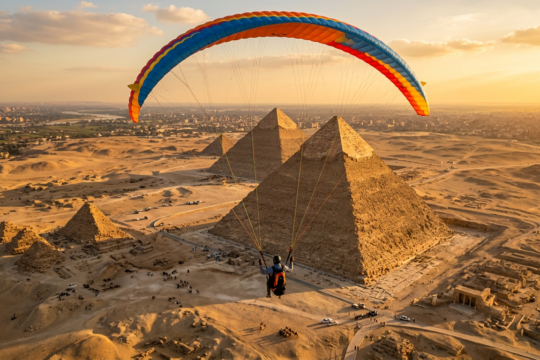
Your journey begins in the sprawling metropolis of Cairo. On your first full day, the focus is undoubtedly the Giza Plateau. Here, you will stand in the shadow of the Great Pyramid of Khufu, the last remaining wonder of the ancient world. An expert Egyptologist will guide you through the history of the Old Kingdom, explaining the astronomical alignments and architectural feats that still baffle modern engineers. After visiting the Great Sphinx and the Valley Temple, many travelers opt for a traditional lunch overlooking the pyramids.
Day two is dedicated to the treasures of the city. A visit to the Egyptian Museum in Tahrir Square or the New Grand Egyptian Museum (GEM) is a must to see the golden mask of Tutankhamun. In the afternoon, the focus shifts to the Citadel of Saladin and the Alabaster Mosque, providing a panoramic view of the city’s skyline. This first leg of the trip sets the historical foundation for everything you will see later in Upper Egypt.
Days 3-5: Nile River Cruising: Luxor and Aswan
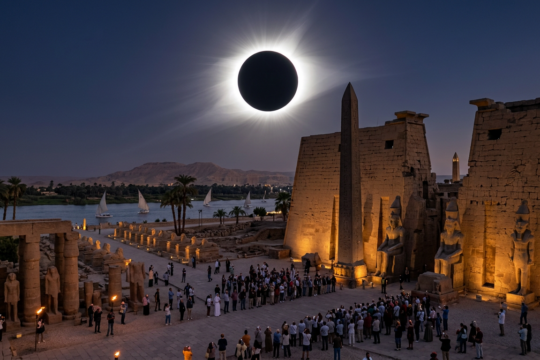
On the third day, a short flight takes you to Luxor, often described as the world’s largest open-air museum. You will board your 5-star Nile cruise, which serves as your floating hotel for the next few days. The East Bank of Luxor features the massive Karnak Temple Complex, where generations of Pharaohs added their own shrines and obelisks. The Luxor Temple, particularly beautiful at sunset, is another highlight of the first day in the south.
The following morning, you will cross to the West Bank to explore the Valley of the Kings. This is where the New Kingdom Pharaohs were buried in hidden, richly decorated tombs. You will also visit the Temple of Queen Hatshepsut, a stunning example of classical architecture built into the limestone cliffs. As the cruise sets sail toward Aswan, you will stop at the Temple of Edfu, dedicated to the falcon god Horus, and the unique double temple of Kom Ombo. The experience of sailing the Nile, watching the rural Egyptian life pass by on the banks, is a highlight provided by HOLIDAY TOURS to ensure a relaxing yet educational transition between cities.
Day 6: The Majestic Temples of Abu Simbel
Day six is often considered the “Grand Finale” of the archaeological tour. Located roughly 180 miles south of Aswan, the temples of Abu Simbel were carved directly into a mountainside during the reign of Ramses II. These temples are not only famous for their colossal size but also for the incredible international effort to move them to higher ground in the 1960s to save them from the rising waters of the Nile. The four massive statues of Ramses II guarding the entrance are a sight that no photograph can truly capture. After returning to Aswan in the afternoon, a peaceful felucca (traditional sailboat) ride around Elephantine Island provides the perfect conclusion to an adventurous day.
Days 7-8: Old Cairo Exploration and Departure
Returning to Cairo for your final days allows you to soak in the vibrant modern culture of Egypt. Day seven is the perfect time to explore the winding cairo streets, particularly the historic Khan el-Khalili bazaar. This is the place to find authentic spices, intricate copper lamps, and hand-woven textiles. It is a sensory explosion of coffee aromas, bargaining voices, and the clinking of tea glasses.
On your final day, you can visit Coptic Cairo, including the Hanging Church and the Cavern Church, where the Holy Family is said to have sought refuge. This layer of Christian and Islamic history provides a holistic view of Egypt’s religious evolution. As you head to the Cairo International Airport for your departure, you leave with a comprehensive understanding of how five thousand years of history have shaped this modern nation.
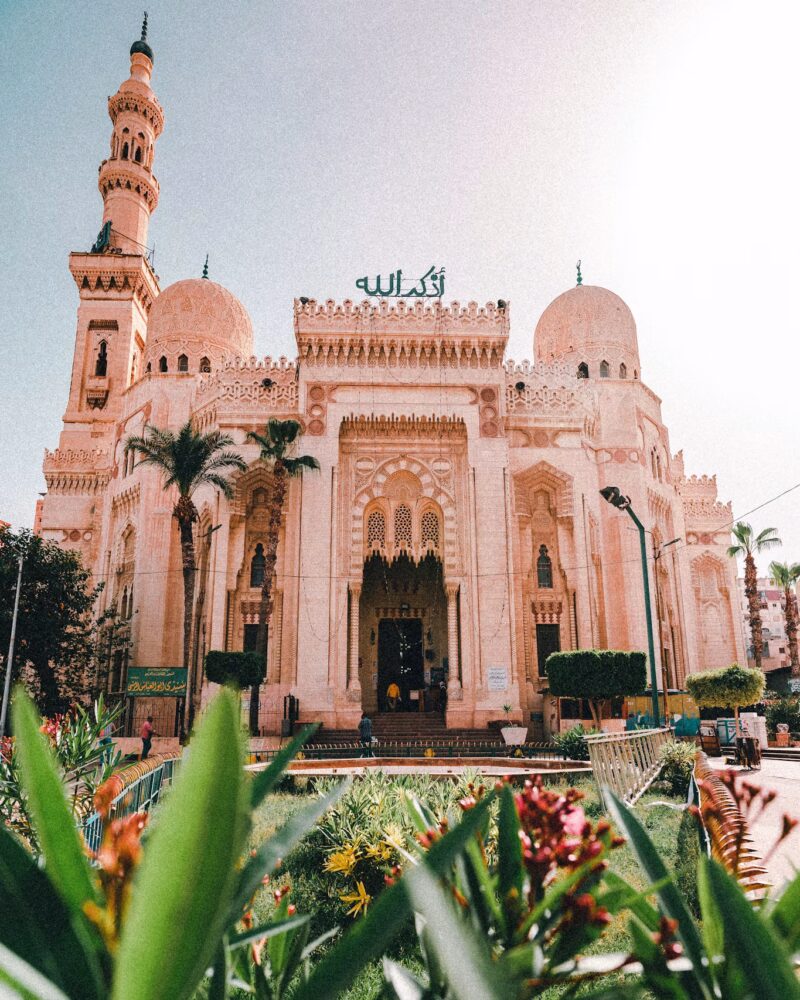
Essential Egypt Visa Guide and Entry Requirements
For American travelers, the entry process into Egypt is relatively straightforward, but it requires attention to detail to avoid delays at the airport. Understanding the difference between various entry methods will ensure a smooth start to your vacation.
How to Apply for an Egypt E-Visa
The most convenient way to secure entry is through the official Egypt E-Visa portal. Travelers should apply at least seven days before their departure date. The process involves creating an account, filling out personal and passport information, and paying the fee (currently $25 USD for a single-entry tourist visa) via credit or debit card. Once approved, the E-Visa is sent via email; it is crucial to print a physical copy to present to immigration officers upon arrival.
Visa on Arrival vs. Pre-Travel Documentation
While the E-Visa is recommended for convenience, many American citizens are still eligible for a “Visa on Arrival.” This is purchased at the bank kiosks located just before the immigration desks at Cairo International Airport. You must pay the $25 fee in cash (USD is preferred and must be in crisp, new bills). While this method is flexible, it can occasionally lead to longer wait times during peak travel hours. HOLIDAY TOURS recommends having your documentation prepared in advance to expedite your transition to your hotel and start your tour without unnecessary friction.
- Passport Validity: Your passport must be valid for at least six months beyond your date of entry.
- Blank Pages: Ensure you have at least one or two completely blank pages for entry and exit stamps.
- Currency: While the visa is paid in USD, it is helpful to have small denominations of Egyptian Pounds (EGP) for immediate needs like tipping or small purchases.
Planning Your Trip: The Best Time to Visit Egypt
The climate in Egypt is predominantly desert-like, meaning the timing of your visit will significantly impact your comfort level during outdoor excursions. While Cairo has a Mediterranean-influenced climate, Upper Egypt (Luxor and Aswan) can reach extreme temperatures.
Weather Considerations for Cairo and Upper Egypt
The winter months (October to April) are widely considered the ideal window for tourism. During this time, the temperatures in Cairo are mild and pleasant, while the scorching heat of the southern desert becomes much more manageable. This allows for long hours of exploration at the Valley of the Kings without the risk of heat exhaustion. Conversely, the summer months (June to August) can see temperatures exceeding 100°F (40°C) in Luxor, which often necessitates very early morning starts and afternoon breaks in air-conditioned spaces.
Peak Season vs. Shoulder Season for Holiday Tours
Understanding the seasonal fluctuations in tourism volume can help you decide when to book with HOLIDAY TOURS. Peak season coincides with the best weather, meaning popular sites like the Great Pyramids will be more crowded. Shoulder seasons, such as May or September, offer a compromise: the weather is warmer but manageable, and the crowds are significantly thinner, often leading to better deals on luxury cruises and hotels.
| Season | Months | Pros | Cons |
|---|---|---|---|
| Peak Season | Dec – Feb | Perfect weather, vibrant atmosphere | Highest prices, large crowds |
| Shoulder Season | Mar-May, Oct-Nov | Pleasant weather, moderate prices | Can be windy (Khamaseen winds in Spring) |
| Off-Peak Season | June – August | Lowest prices, no crowds at sites | Intense heat in the south |
Selecting the Best Egypt Travel Agency and Tour Operator
Choosing the right partner for your Egyptian adventure is the difference between a stressful logistics puzzle and a seamless, enlightening journey. Egypt is a destination where local expertise and “feet on the ground” are indispensable.
What to Look for in Classic Vacation Packages
When evaluating tour operators, look for those who prioritize E-E-A-T (Experience, Expertise, Authoritativeness, and Trustworthiness). A high-quality agency should provide licensed Egyptologists who are not just guides, but storytellers. Furthermore, look for transparency in pricing; the best packages will include internal airfare, entrance fees, and most meals, preventing “sticker shock” during the trip. HOLIDAY TOURS prides itself on delivering this level of comprehensive service, ensuring that American tourists feel secure and well-catered to throughout their stay.
Top-Rated Services for International and American Tourists
For international travelers, safety and comfort are paramount. Top-rated operators offer private, air-conditioned transportation and 24/7 ground support. They also understand the specific needs of Western travelers, such as providing bottled water during tours and selecting hotels that meet international standards for hygiene and luxury. Reputation is key; always check for recent reviews and testimonials from other American travelers who have navigated the same 8-day itinerary.
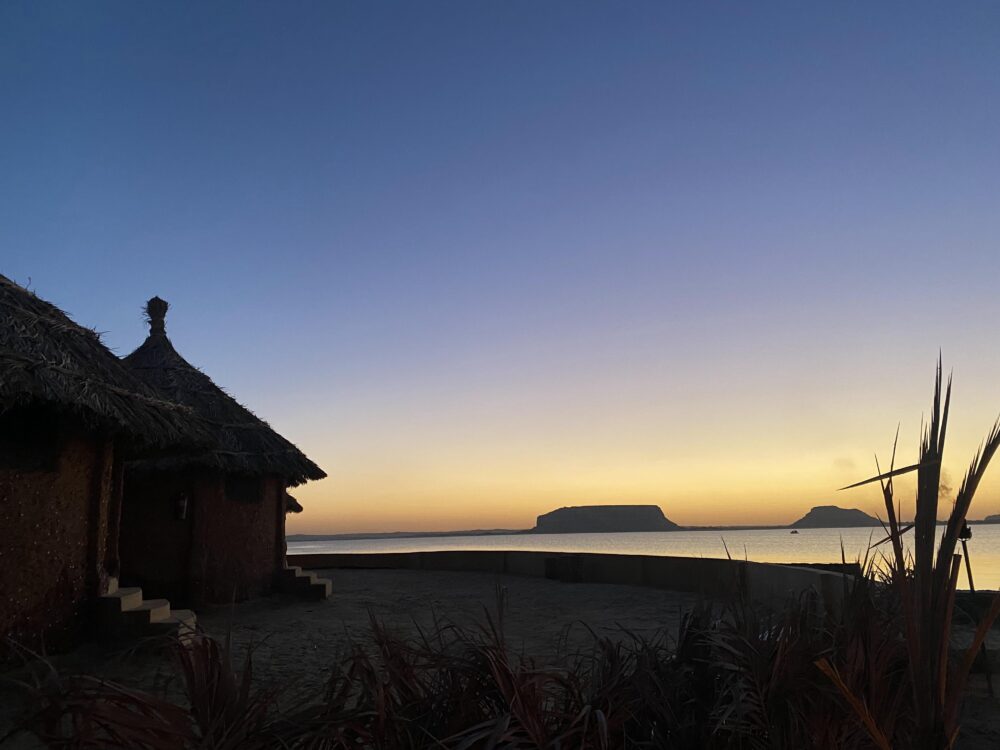
Top Travel Tips for Your 8-Day Egyptian Adventure
Preparation is the key to a successful trip. Beyond the historical knowledge, understanding the cultural landscape will enhance your interaction with the local people and make your journey more rewarding.
Cultural Etiquette and Local Customs
Egypt is a conservative society with deep-rooted traditions. Respecting these customs is not only polite but will also make your interactions more pleasant. Modest dress is recommended, especially when visiting mosques or rural areas; keeping shoulders and knees covered is a good rule of thumb for both men and women. Additionally, the concept of “Baksheesh” (tipping) is a standard part of life. Small tips for service providers, from bathroom attendants to drivers, are expected and appreciated.
- Photography: Always ask permission before taking photos of locals, and be aware that photography of military or government buildings is strictly prohibited.
- Hydration: Only drink bottled water. Even for brushing teeth, many travelers prefer using bottled water to avoid any digestive issues.
- Bargaining: In markets like Khan el-Khalili, bargaining is expected. Start by offering half the asking price and meet somewhere in the middle with a smile.
Packing Essentials for the Desert and Nile Cruises
Packing for Egypt requires a strategy for both the heat of the day and the cool of the desert night. Lightweight, breathable fabrics like linen and cotton are your best friends. Even in the summer, the air conditioning in hotels and on cruise ships can be quite cold, so a light sweater or pashmina is essential. HOLIDAY TOURS suggests bringing a sturdy pair of walking shoes, as the terrain at archaeological sites is often uneven and sandy.
- Sun Protection: High-SPF sunscreen, a wide-brimmed hat, and quality sunglasses are non-negotiable.
- Portable Power Bank: Between taking photos of the Sphinx and using GPS in Cairo, your phone battery will drain quickly.
- Basic First Aid: Include rehydration salts, motion sickness pills (for the cruise), and any personal medications.
In conclusion, an 8-day trip to Egypt offers the perfect window to witness the grandeur of the ancient world while enjoying the modern comforts of a well-organized tour. By choosing a reputable operator like HOLIDAY TOURS, you ensure that every detail—from the visa process to the final sunset over the Nile—is handled with professional care. Whether you are staring up at the Great Pyramid or sailing toward the horizon in Aswan, these eight days will undoubtedly become one of the most memorable chapters of your travel life.
Frequently Asked Questions About Egypt Travel
Is an 8-day tour enough time to see the Pyramids and a Nile Cruise?
Yes, 8 days is considered the ideal duration for most travelers. It allows for two full days in Cairo to see the Pyramids and museums, followed by a 3-to-4-night Nile cruise between Luxor and Aswan, including a trip to Abu Simbel. It provides a comprehensive experience without the exhaustion of a longer trip.
Do Americans need a visa to enter Egypt?
Yes, American citizens require a visa. This can be obtained online as an E-Visa before departure or as a Visa on Arrival at Cairo International Airport. The cost is $25 USD, and the passport must be valid for at least six months from the date of entry.
Is it safe for solo female travelers in Egypt?
Egypt is generally safe for female travelers, though it is often recommended to join a guided tour or hire a private guide. Following local customs regarding modest dress and being firm with street vendors can help ensure a comfortable experience. Many solo travelers choose HOLIDAY TOURS for the added security of a professional guide and pre-arranged transport.
What is the currency used in Egypt, and can I use US Dollars?
The official currency is the Egyptian Pound (EGP). While many major hotels and tour operators accept US Dollars, it is essential to have EGP for smaller shops, markets, and tipping. Credit cards are widely accepted in major cities but less so in rural areas or small bazaars.
What should I wear when visiting religious sites in Cairo?
When visiting mosques or Coptic churches, both men and women should dress modestly. This means covering shoulders and knees. Women may be asked to cover their hair with a scarf when entering certain mosques, so carrying a lightweight shawl in your day bag is highly recommended.
Still deciding right?
We completely understand. Hear straight from our dear clients about their experiences to help you book your trip.
⭐ [HolidayTours Feedback & Reviews!]
If you want to talk out your itinerary, reach out and we’ll help you plan it perfectly.
📞 [WhatsApp Here]