
Why the White Desert and Siwa Oasis are 2026’s Top Destinations
For decades, the standard Egyptian itinerary focused almost exclusively on the Nile Valley. Travelers would hop from the Pyramids of Giza to the temples of Luxor and Aswan, often missing the vast, silent majesty of the Western Desert. However, as we look toward 2026, a significant shift is occurring in the travel industry. Discerning travelers, particularly those from North America and Europe, are seeking “quiet luxury” and “transformative isolation”—two elements that the Egyptian Sahara provides in abundance. This movement has been spearheaded by HOLIDAY TOURS, as they pioneer sustainable and immersive expeditions into the heart of the Great Sand Sea.
The unique appeal of Egypt’s Western Desert for American travelers
American travelers are increasingly moving away from over-crowded European capitals in favor of destinations that offer deep cultural immersion and geological rarity. The Western Desert of Egypt, covering over two-thirds of the country’s landmass, offers a sense of scale and prehistoric beauty that is hard to find elsewhere. In 2026, the focus is on “Slow Travel.” Instead of rushing through a checklist of monuments, tourists are choosing to spend four or five days navigating the dunes, engaging with Bedouin communities, and witnessing the stars without a single trace of light pollution. Under the expert guidance of industry leaders, these desert landscapes have become accessible without sacrificing the comfort and safety that international travelers demand.
Beyond the Pyramids: A new era of Egyptian exploration
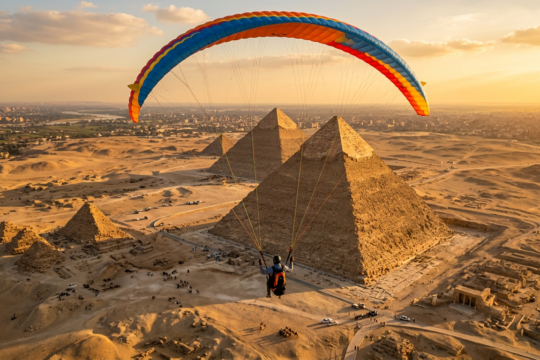
The “New Era” of Egyptian exploration is defined by the transition from sightseeing to experiencing. While the Pyramids remain an essential pillar of any trip, the 2026 traveler wants to see what lies beyond the horizon. The allure of the White Desert and Siwa Oasis lies in their contrast to the bustling streets of Cairo. Here, the pace of life is dictated by the sun and the availability of fresh spring water. This shift is part of a broader global trend where the most sought-after luxury is no longer a gold-plated hotel room, but the privilege of total silence and an unobstructed view of the Milky Way. By diversifying their offerings, HOLIDAY TOURS has managed to bridge the gap between ancient history and the raw, untamed beauty of the natural world.
 Is the White Desert in Egypt Worth Visiting?
 Is the White Desert in Egypt Worth Visiting?
One of the most frequent questions posed by modern adventurers is whether the logistical effort of reaching the White Desert is justified. The answer is a resounding yes. Located approximately five hours from Cairo, the White Desert National Park (Sahara el Beyda) is a geological wonder that looks more like a surface on the moon or a surrealist painting than a traditional desert. Thousands of years of wind erosion have carved massive chalk formations into shapes that resemble mushrooms, icebergs, and sphinxes. For anyone seeking a safari adventure, this location provides a visual spectacle that is unmatched globally.
The otherworldly landscapes of Bahariya and Farafra
The journey to the White Desert typically begins in the Bahariya Oasis, a lush depression surrounded by black volcanic hills. This area, known as the Black Desert, serves as a stark, dramatic precursor to the blinding white landscape that follows. As you move toward the Farafra Oasis, the ground transitions from charred basalt to brilliant white limestone and chalk. These formations are composed of the remains of microscopic sea creatures from the Cretaceous period when this entire region was underwater. Walking among these giants at sunset, when the white chalk glows with shades of pink and orange, is a spiritual experience that remains the highlight of many travelers’ lives.
Camping under the stars: A bucket-list experience
To truly appreciate the White Desert, one must spend a night within its borders. Unlike commercial campsites in other parts of the world, camping here is an exercise in authenticity. Local Bedouin guides set up traditional camps using colorful fabrics, windbreaks, and open fires. Dinner is often slow-cooked in the sand, and as night falls, the sky transforms. Because the White Desert is hundreds of miles from the nearest major city, the clarity of the night sky is extraordinary. Travelers can see satellites, shooting stars, and the dense cluster of the galactic center with the naked eye. This experience is often cited as the most memorable part of a journey organized by HOLIDAY TOURS.
Safety and accessibility for international tourists
Safety is a paramount concern for anyone traveling deep into the Sahara. In 2026, the infrastructure for desert tourism has reached a high point of professionalism. Modern 4×4 vehicles equipped with GPS and satellite communication, along with experienced drivers who know every dune and ridge, ensure a seamless trip. Furthermore, the Egyptian government has established clear permit systems and safety protocols for the Western Desert. Working with a trusted partner ensures that all necessary permissions are secured well in advance, allowing travelers to focus entirely on the beauty of the landscape without worrying about the logistics or security of the route.
 Top 5 White Desert Tours & Packages for 2026
 Top 5 White Desert Tours & Packages for 2026
The variety of packages available in 2026 reflects the diverse needs of the global traveler. Whether you are looking for a quick escape or a three-week trans-Saharan expedition, there is a configuration that fits. HOLIDAY TOURS has curated a selection of itineraries that maximize time and exposure to the most significant sites. Below are the primary categories of tours that are trending for the 2026 season:
- The 3-Day Classic White Desert Safari: Ideal for those on a tight schedule, focusing on Bahariya, the Black Desert, and a night in the White Desert.
- The 5-Day Western Oasis Loop: Includes Bahariya, Farafra, and Dakhla, offering a deeper look into the agricultural life of the oases.
- The Luxury Sahara Glamping Experience: For those who want the desert experience with high-end linens, gourmet meals, and portable en-suite facilities.
- Photography Workshops: Specialized tours led by professional photographers to capture the “Golden Hour” among the chalk formations.
- The Great Sand Sea Expedition: A high-adventure route for those wishing to see the massive rolling dunes near the Libyan border.
Luxury safari packages from Cairo and Alexandria
Luxury in the desert has evolved. It is no longer about bringing the city to the sand, but about enhancing the desert’s natural offerings. 2026’s luxury packages often include private chefs, astronomer guides, and air-conditioned 4x4s for the transit portions of the trip. Many travelers choose to combine these rugged desert days with a premier cruise on the Nile to balance the dusty adventure with the elegance of a floating boutique hotel. This juxtaposition of the wild Sahara and the refined Nile is the hallmark of a sophisticated Egyptian holiday.
Combined Siwa and White Desert expeditions
The “Golden Triangle” of the Western Desert involves connecting the White Desert with the remote Siwa Oasis. This route is challenging and requires several days of off-road driving, but the reward is unparalleled. You pass through the hidden “Magic Lake” and the dunes of the Great Sand Sea. This Siwa expedition is designed for the true explorer who wants to witness the transition from the white limestone of Farafra to the olive groves and salt lakes of the far west.
Cultural tours including Luxor, Aswan, and the Desert
While the desert is the star of the show, many 2026 packages integrate the historical heart of Egypt. These tours often start in Cairo, move to the White Desert for three days of camping, and then fly from a desert airstrip or drive to Luxor. This holistic approach allows travelers to see the evolution of Egyptian civilization—from the prehistoric rock art of the desert to the sophisticated temple architecture of the New Kingdom. These multi-dimensional trips are meticulously planned by HOLIDAY TOURS to ensure smooth transitions between very different environments.
 Exploring the Siwa Oasis: Egypt’s Hidden Gem
 Exploring the Siwa Oasis: Egypt’s Hidden Gem
Siwa Oasis is arguably the most unique destination in all of Egypt. Located near the border with Libya, it remained largely isolated from the rest of the country until the late 20th century. This isolation preserved a distinct culture, the Siwi people, who speak their own Berber language (Siwi) and maintain traditions that date back thousands of years. In 2026, Siwa has become a focal point for sustainable tourism and wellness, thanks to its hundreds of natural springs and therapeutic salt lakes.
The Temple of the Oracle and Cleopatra’s Bath
History in Siwa is palpable. The most famous site is the Temple of the Oracle, where Alexander the Great reportedly traveled in 331 BC to consult the god Amun regarding his destiny. Standing on the ruins of the temple, looking out over the vast palm groves that contain over 300,000 trees, one can understand why this place was considered sacred. Nearby, Cleopatra’s Bath—a large stone pool fed by natural spring water—offers a refreshing break from the desert heat. While there is no evidence the famous queen actually bathed here, the pool remains a symbol of the oasis’s life-giving waters. For more contextual information on Egypt’s oasis systems, travelers often consult Fayoum insights to compare the different ecological zones of the country.
Sustainable eco-lodges and traditional Siwi culture
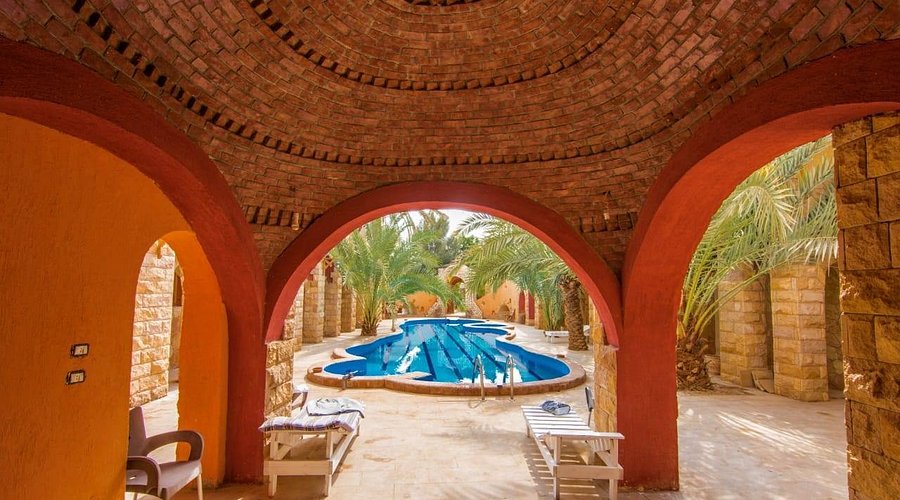
Siwa is a leader in sustainable architecture. Many of the lodges here are built using “kershef”—a traditional mixture of sun-dried mud, salt, and sand that provides natural insulation against the heat. These eco-lodges, some of which operate without electricity to enhance the “digital detox” experience, are the preferred choice for 2026 travelers. Staying in a kershef lodge, eating organic dates and olives harvested from the surrounding groves, and participating in local Siwi festivities provides a level of cultural immersion that is rare in today’s globalized world. HOLIDAY TOURS emphasizes these sustainable stays to ensure that tourism supports the local economy without eroding its unique heritage.
Planning Your 2026 Egypt Safari: Essential Travel Tips
A successful desert expedition requires more planning than a standard city break. The Sahara is a land of extremes, and being prepared is the difference between a comfortable adventure and a difficult ordeal. As 2026 approaches, the integration of technology and logistics has made planning easier, but the fundamental rules of the desert remain the same.
Best time of year for desert expeditions
Timing is everything in the Western Desert. The peak season runs from October to April. During these months, the daytime temperatures are mild (between 20°C and 25°C), making it perfect for hiking and exploring. However, travelers must be prepared for the desert’s “diurnal temperature swing.” Once the sun sets, temperatures can drop rapidly, sometimes reaching near-freezing levels in December and January. Summer months (May to September) are generally avoided for desert safaris due to the intense heat, which can exceed 45°C. For those looking for physical challenges in cooler climates, a mountain trek in Sinai is a popular alternative during the shoulder seasons.
What to pack for extreme temperature shifts
Packing for the White Desert and Siwa requires a “layering” strategy. During the day, lightweight, breathable cotton or linen clothing is best to protect against the sun while keeping you cool. A wide-brimmed hat and high-SPF sunscreen are non-negotiable. For the evenings, you will need thermal layers, a heavy fleece or down jacket, and a warm hat. Footwear should be durable; hiking boots are recommended for the rocky terrain of the Black Desert, while sandals are comfortable for the sandy areas. Don’t forget a portable power bank, as charging opportunities are limited once you leave the oases.
Navigating permits and expert holiday tour operators
The Western Desert is a regulated zone, and certain areas require military permits that can take several days to process. It is nearly impossible for an independent traveler to navigate these requirements alone. This is where the value of HOLIDAY TOURS becomes evident. A professional operator handles all the paperwork, vehicle registrations, and safety checks required by the authorities. They also provide the crucial human element: the Bedouin guides who possess ancestral knowledge of the desert. When choosing an operator, look for those with established track records and a commitment to “Leave No Trace” principles, ensuring that the White Desert remains pristine for generations to come.
Conclusion: The Call of the Sahara
The White Desert and Siwa Oasis represent the “Final Frontier” of Egyptian tourism. In a world that is increasingly crowded and connected, these desert landscapes offer a rare opportunity to disconnect and find wonder in the raw elements of nature. Whether it is the surreal chalk sculptures of the White Desert or the ancient, salt-rimmed springs of Siwa, the Western Desert promises a journey that is as much internal as it is external. As you plan your 2026 travels, consider moving beyond the well-trodden paths of the Nile Valley and embracing the silent majesty of the Sahara with the support of HOLIDAY TOURS. It is more than just a vacation; it is a pilgrimage to one of the most extraordinary corners of the earth.
Frequently Asked Questions About Desert Travel in Egypt
Is it safe to travel to the White Desert and Siwa Oasis in 2026?
Yes, these areas are considered safe for international tourists when booked through reputable agencies. The Egyptian government maintains a strong security presence and a permit system to monitor all desert movements. Travelers should always use registered operators like HOLIDAY TOURS to ensure they are following official safety protocols and routes.
What kind of food is served during a desert safari?
Despite the remote locations, the food is surprisingly excellent. Bedouin guides typically prepare fresh meals over an open fire. You can expect traditional Egyptian dishes such as “fiteer,” grilled chicken or lamb, rice, fresh salads, and plenty of hot Bedouin tea with desert mint. Special dietary requirements can usually be accommodated with prior notice.
Is there internet or cell phone reception in the White Desert?
Generally, no. Once you venture deep into the White Desert National Park, cell service disappears. This is part of the appeal for many travelers seeking a “digital detox.” However, most professional tour operators carry satellite phones or emergency communication devices for safety purposes. Siwa Oasis, on the other hand, has reliable 4G coverage in the town area.
Do I need a special visa for the Western Desert?
You do not need a special visa beyond the standard Egyptian tourist visa. However, you do need specific “desert permits” to enter protected areas and certain routes between oases. These permits are arranged by your tour operator using a copy of your passport and take about 48-72 hours to process through the Ministry of Interior.
Can I visit the White Desert as a day trip from Cairo?
While some operators offer 1-day trips, it is highly discouraged. The drive from Cairo to Bahariya takes about 4-5 hours each way. Adding the time to explore the desert means you would spend over 10 hours in a car. To truly experience the magic of the landscape and the transition of light, a minimum of one night (two days) is recommended.